Ghana Evaluation Week 2026 - Charting the Future of Evidence-Based Development
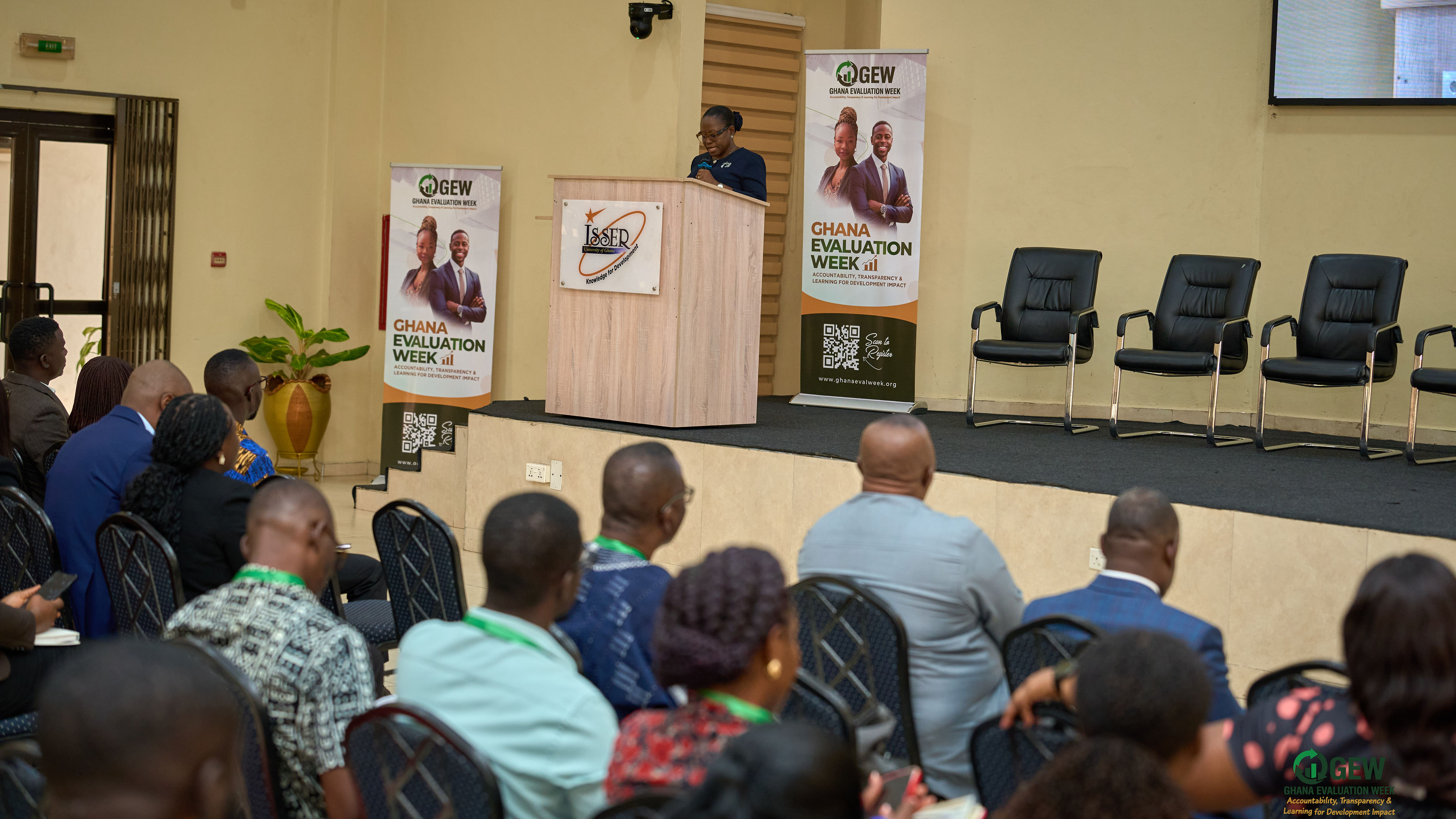
The successful launch of the inaugural Ghana Evaluation Week (GEW) in October 2025. Critical gaps remained in translating evaluation findings into policy and practice; strengthening local-level evaluation systems; leveraging technology and innovation in M&E; enhancing citizen engagement, youth and media participation in evaluation processes. Building on these insights, Ghana Evaluation Week 2026 aimed to deepen impact by shifting focus from awareness to application, influence, and systems strengthening.
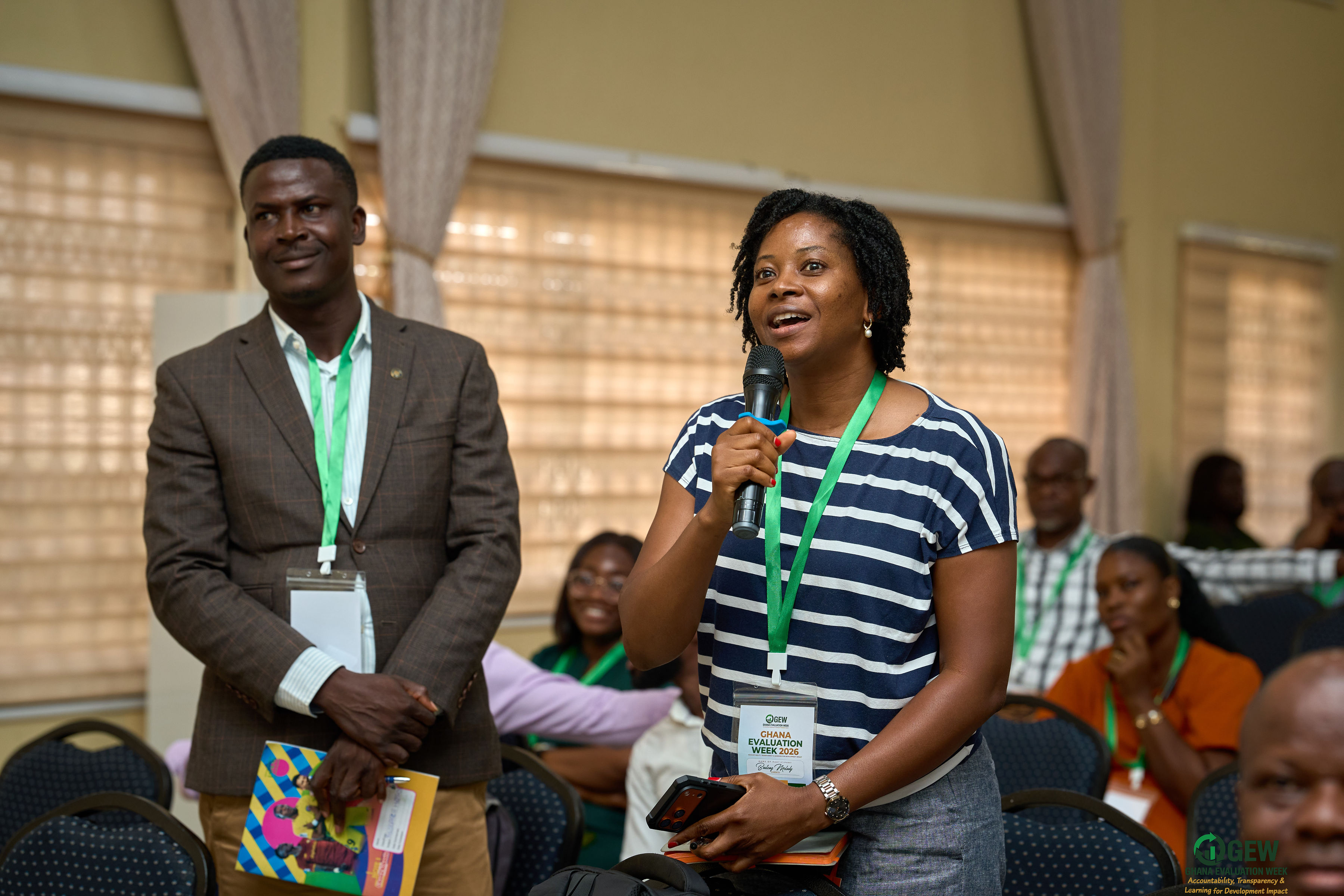
When Ghana convened its second Ghana Evaluation Week in Accra this October, the corridors of ISSER hummed with a question that has defined Twende Mbele's work for a decade: how do we move evaluation evidence from reports into decisions that change lives?
For Twende Mbele, the answer has never been abstract. It has been built, country by country, through peer learning among African governments who share a conviction that the best expertise for strengthening national evaluation systems often sits next door.
Ghana: The First Mover
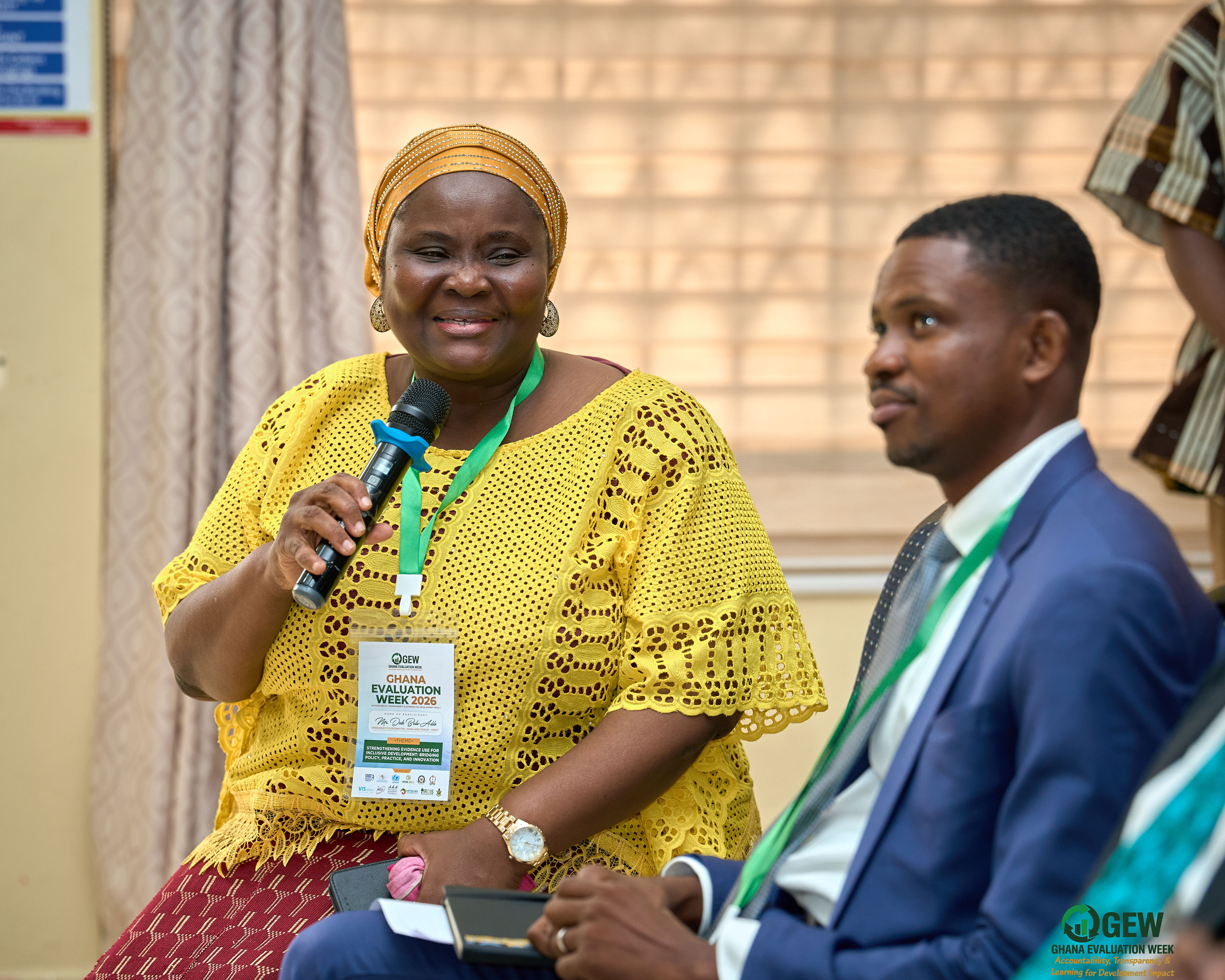
Ghana joined Twende Mbele in 2018, two years after the partnership's founding by Benin, South Africa, and Uganda. What Ghana did next set a precedent for the entire network. In 2020, it became the first country to apply the Twende Mbele rapid evaluation methodology, using it to assess the government's "One Village, One Dam" policy. When other partner countries conducted rapid evaluations in 2022 to understand the pandemic's impact on citizens, they were following a path Ghana had already walked.
At GEW 2026, Parfait Kasongo—stepping in for Dr Thina Nzo—reminded delegates of this history not to claim credit, but to make a point about peer learning's multiplier effect. Ghana's experience was not exported to the partnership; it was shared within it, adapted by others, and in turn strengthened the collective evidence base.
Rapid Evaluation: A Demand-Side Innovation
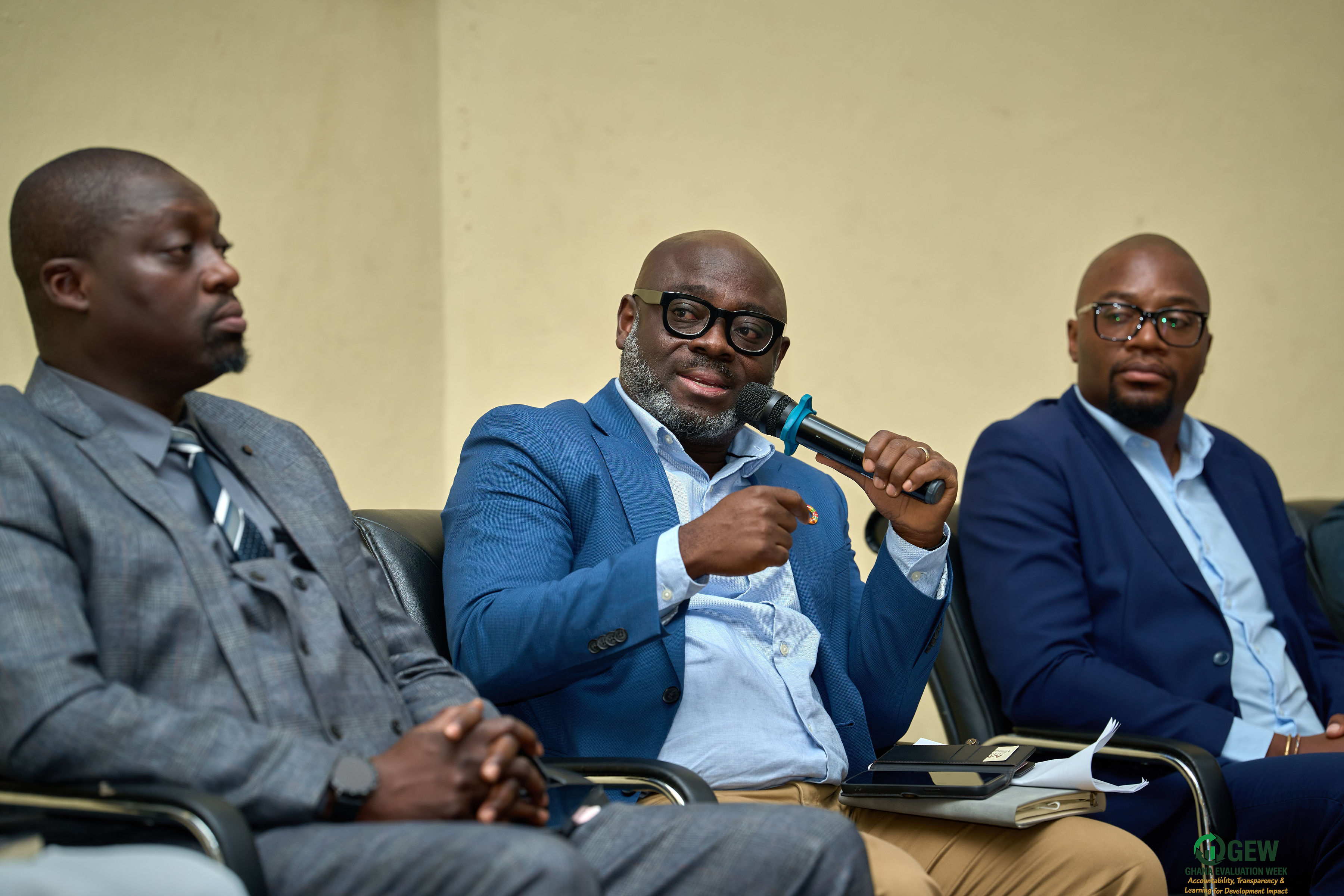
In Plenary Session I, Kasongo elaborated on why rapid evaluation has travelled so effectively across the partnership. It was born, he explained, from decision-makers' demand for timely evidence—not from a supply-driven push by evaluators. Twende Mbele partner governments co-developed the tool because they needed answers within decision cycles, not after them.
The subnational dimension matters just as much. The Western Cape Provincial Government and the City of eThekwini adapted the DPME's national rapid evaluation guideline to their own contexts, in collaboration with the national department. For Ghana, Kasongo argued, the lesson is to amplify existing collaboration between NDPC and local government around traditional and rapid evaluation, so that district plans and budgets are informed by evidence that arrives when it can still shape choices.
What the Next Decade Demands
Twende Mbele enters its second decade with 10 member countries, eight activity workstreams, and over 400 knowledge resources. The partnership has welcomed Côte d'Ivoire, Malawi, Nigeria, and Tanzania, expanding the peer-learning pool beyond the founding and early-join cohorts. But scale brings a risk: that guidelines become templates imposed from afar rather than tools adapted with local expertise.
Kasongo's closing message at GEW 2026 was a safeguard against that risk. Twende Mbele's repository of guidelines, he noted, is designed to be adapted to different country contexts with the help of experts from that country. Peer networks do not replace local knowledge; they connect it.
As Ghana's evaluation week matures—from the inaugural 2025 gathering of 300+ participants to a 2026 convening of 600+ in hybrid format—the country is no longer simply hosting a conference. It is shaping a regional conversation. Twende Mbele is proud to have been part of that conversation since 2018, and looks forward to the next decade of learning forward together.